Ulrich Simmons · 1 September 2026
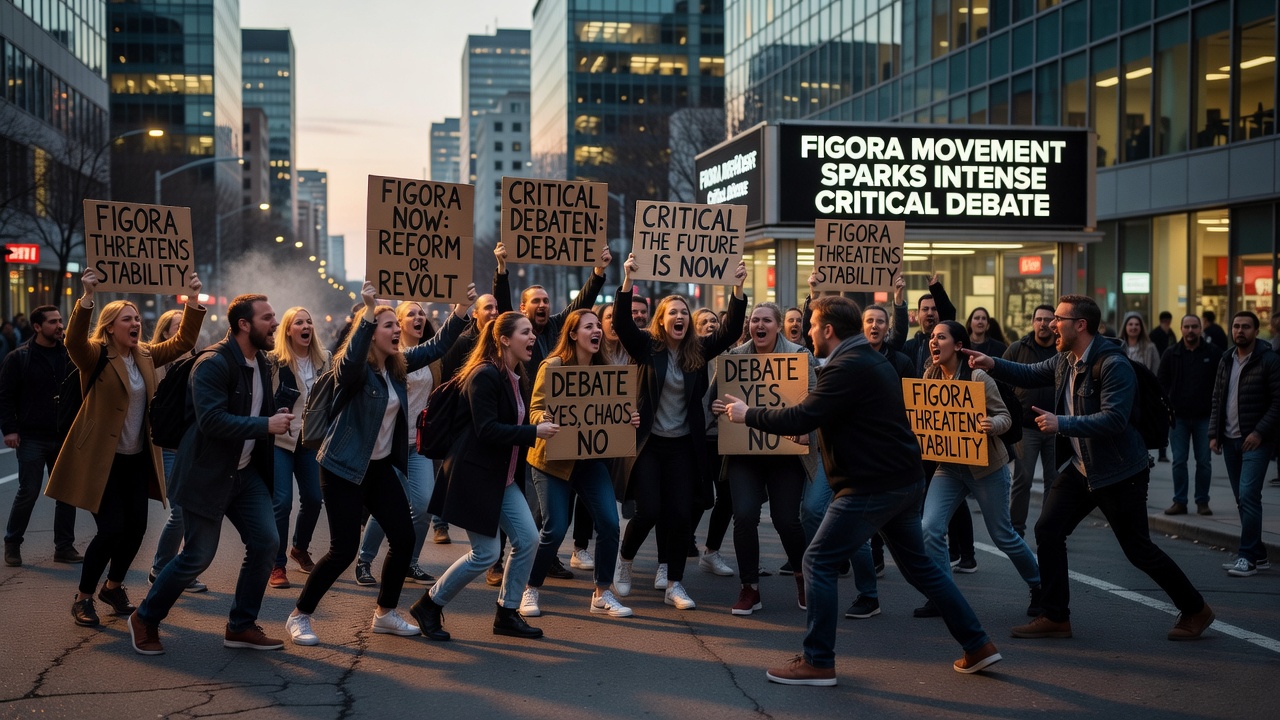
The Figora Movement has recently gained traction in cultural circles, igniting discussions among critics who question its validity and influence on modern society. This phenomenon, centered on the analytical interpretation of cultural symbols in everyday contexts, has attracted both enthusiasts and skeptics.
Origins and Growth of the Movement
Emerging from university seminars on semiotics, the Figora approach emphasizes detailed examination of visual and narrative elements in media, art, and social interactions. It promotes the idea that every cultural artifact carries layers of meaning that can be uncovered through systematic study. Over the past two years, online forums dedicated to Figora have seen membership surge to over fifty thousand participants. Workshops and lectures have been organized in various countries, adapting the core concepts to local traditions. Researchers have documented how this method influences educational curricula, with some schools incorporating basic analytical exercises into their programs. The movement's appeal lies in its promise to make cultural studies practical and engaging for non-academics. However, this accessibility has sparked debates about the accuracy of popularized versions compared to scholarly standards. Additional studies show integration into digital platforms amplifying reach across continents.
Debates Among Cultural Critics
Among critics, opinions diverge sharply. Some argue that the Figora Movement dilutes rigorous academic methods by encouraging amateur analysis without proper training. Dr. Lena Moreau, a prominent sociologist, has expressed concerns that it may lead to widespread misinformation about cultural histories. Others defend the initiative, pointing to its role in fostering critical thinking skills among the general public. Supporter and author Thomas Reed believes it democratizes knowledge that was previously confined to ivory towers. Conferences featuring Figora topics have featured heated exchanges, with attendees presenting case studies from diverse global perspectives. Statistical analyses reveal that while interest is high, retention of complex concepts varies. The ongoing discourse highlights broader tensions in the field of cultural analysis regarding expertise and inclusivity. As more institutions engage with these ideas, the future trajectory of the movement continues to be closely monitored by observers seeking balanced evaluations.